NEUROTOXINS
Botox · Dysport · Xeomin
Understanding your expressions starts here.
Before we discuss injections, let’s talk about what concerns you, how your face moves, and what you want to achieve.
YOUR QUESTIONS, ANSWERED ↓YOUR QUESTIONS, ANSWERED
WHY DO I START WITH YOUR QUESTIONS?
Because I want you to understand your options before deciding on treatment. My job is to explain, answer honestly, and tell you when a treatment isn’t right for you.
WHAT ARE NEUROTOXINS?
Botox, Dysport, and Xeomin are prescription botulinum toxin products. They temporarily reduce activity in selected muscles.
Each has its own dosing and approved uses. Their units are not interchangeable.
WHAT AREAS CAN BE TREATED?
Common concerns include forehead lines, frown lines between the eyebrows, and crow’s feet.
Other areas require individual assessment. Some uses are off-label, meaning they are not FDA-approved for that specific product and area. We’ll discuss that before treatment.
HOW DO YOU CHOOSE THE PRODUCT AND DOSE?
I assess how your face moves, your muscle strength, medical history, and goals. Your plan is explained before treatment, including the product, treatment areas, and cost.
WILL I LOOK FROZEN?
My goal is a softer, refreshed appearance with a plan that respects your expressions.
The amount of movement remaining depends on the product, dose, treatment area, and your response. Results cannot be guaranteed.
DOES IT HURT? IS THERE DOWNTIME?
You may feel brief pinches during injections. Most people resume their usual routine afterward, but redness, swelling, tenderness, or bruising can occur.
Leave time before important events.
WHEN WILL I SEE RESULTS, AND HOW LONG WILL THEY LAST?
Timing varies by product and treatment area. For Botox Cosmetic in the forehead, frown lines, and crow’s feet, changes may begin in 1–2 days, with full results at 30 days and effects lasting up to four months.
We’ll explain what to expect from your particular treatment.
WHAT ARE THE POSSIBLE SIDE EFFECTS?
Possible effects include bruising, injection-site discomfort, headache, dry eyes, and eyelid or brow drooping. Rare but serious problems can occur.
Seek immediate medical attention for difficulty breathing, swallowing, or speaking, or signs of a severe allergic reaction.
We’ll review the product’s safety information before treatment.
WHO MAY NOT BE A CANDIDATE?
A prior allergic reaction to a botulinum toxin product or an infection at the injection site can rule out treatment.
Tell us about pregnancy, breastfeeding, muscle or nerve conditions, swallowing or breathing problems, all medicines, and previous injections. Your medical evaluation determines whether treatment is appropriate.
HOW SHOULD I PREPARE, AND WHAT SHOULD I AVOID AFTERWARD?
Share your medical history, medications, supplements, and the product and date of any recent injections.
Don’t stop prescribed medicines on your own. You’ll receive preparation and aftercare instructions specific to your treatment.
WHO PERFORMS MY INJECTIONS?
Your treatment is personally performed by Nurse Jordan, MSN, BS, RN. We’ll discuss your concerns and treatment plan before proceeding.
HOW MUCH DOES IT COST?
Contact Nurse Jordan for current pricing. Your total depends on the product and treatment plan. You’ll know the cost before treatment.
WHAT IF I’M STILL UNSURE?
Start with a complimentary 15-minute virtual consultation.
An in-person consultation is $250, applied toward treatment performed the same day.
There’s no need to decide before your questions are answered.

MEET NURSE JORDAN
Before I picked up a syringe, I spent 25 years keeping people alive in the OR.
I'm Jordan — surgical RN, cardiothoracic nurse, and aesthetic injector on Wilshire Blvd.
When you come in, you get me.
Not a rotation of providers.
Just me.
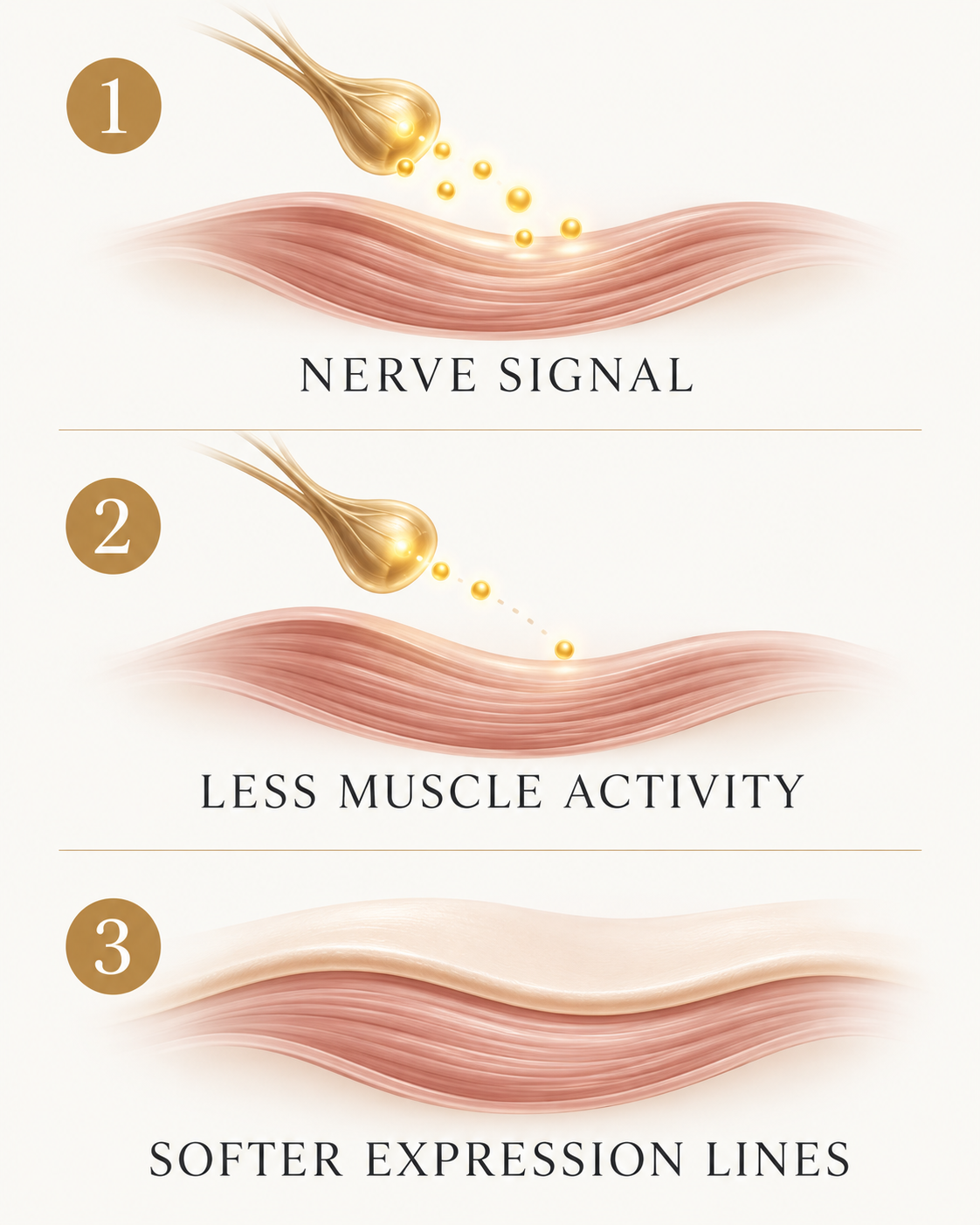
UNDERSTAND THE TREATMENT
HOW NEUROMODULATORS WORK
-
Your nerves send a signal.
That signal tells a muscle to contract when you frown, squint, or raise your eyebrows.
-
Repeated movement folds the skin.
Over time, these folds can become more noticeable. Sun exposure and changes in collagen also contribute.
-
Treatment temporarily reduces the signal.
A neuromodulator reduces nerve signaling to selected muscles, so they contract less strongly and certain expression lines soften. The effect gradually wears off.
It relaxes muscle activity—it doesn’t add volume. Neuromodulators and fillers do different jobs. Your assessment helps determine which approach, if any, fits your concern.
COMMON TREATMENT AREAS
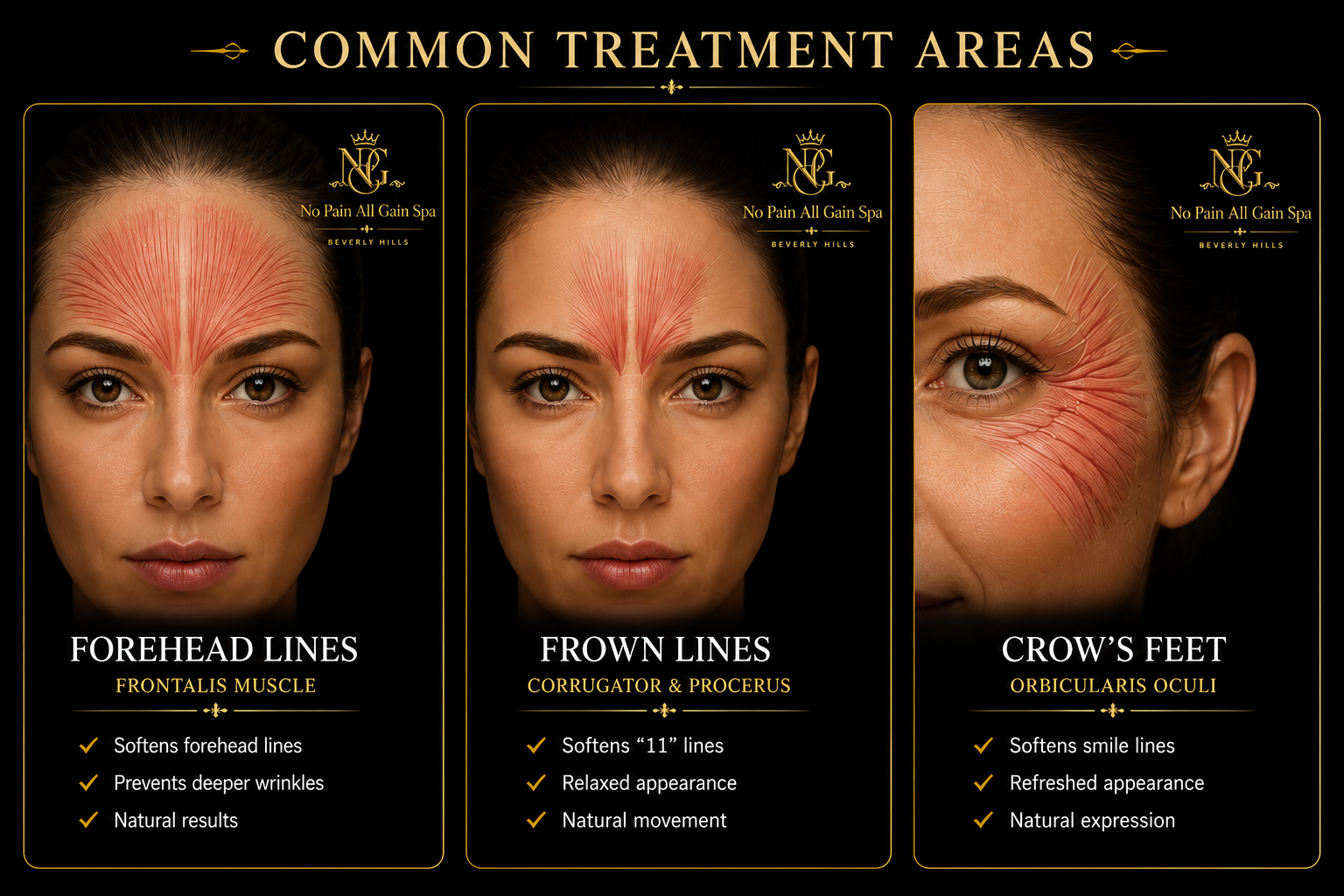
Tap the picture to view it larger.
Forehead lines
Your frontalis raises your eyebrows. Repeated movement folds the skin across your forehead.
Frown lines
The corrugator and procerus contribute to the lines between your eyebrows when you frown or concentrate.
Crow’s feet
Movement of the muscle around your eyes contributes to lines when you smile or squint.
Your forehead muscle lifts your eyebrows. Treatment planning needs to consider brow position as well as the lines.
SMILE & CHIN
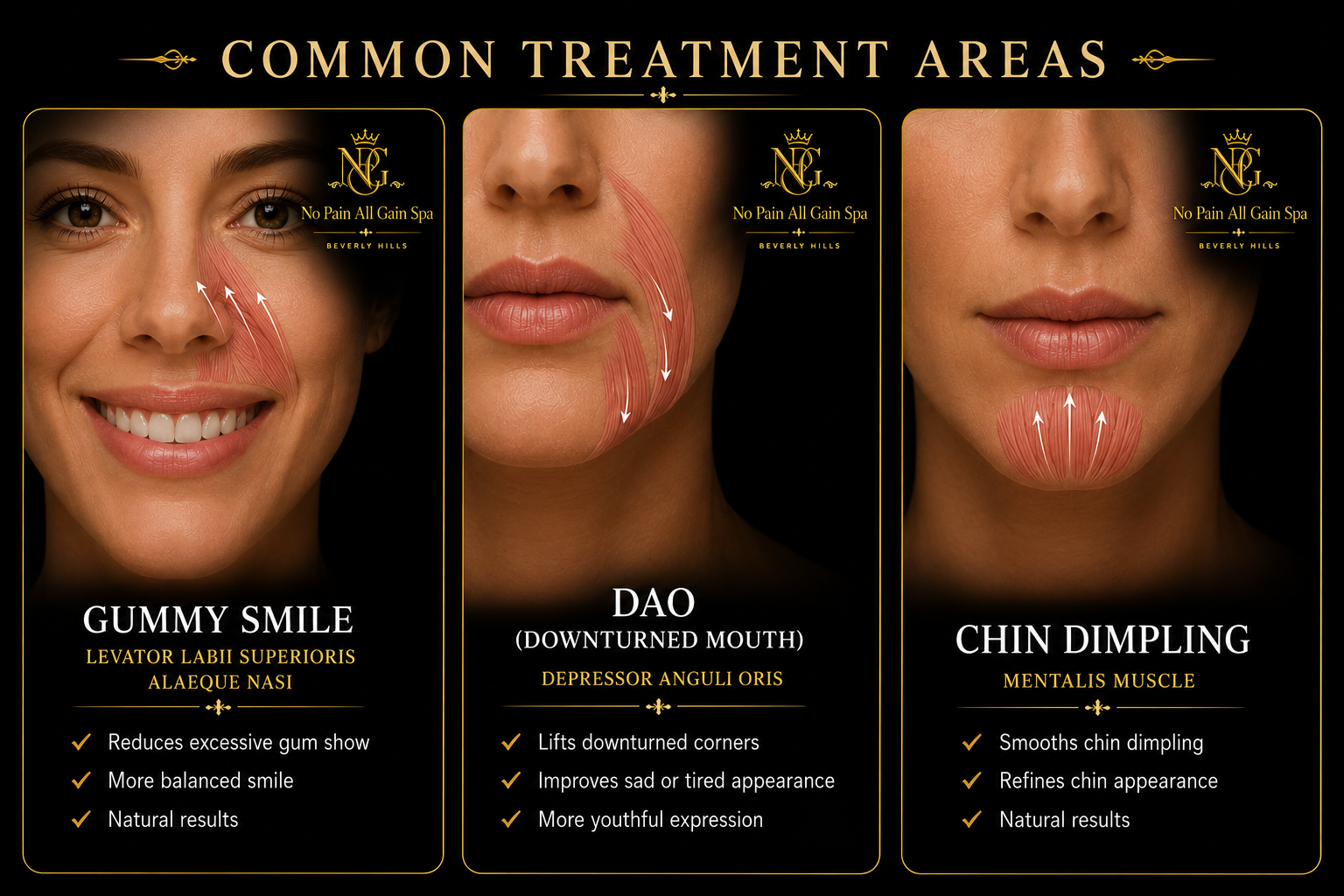
Tap the picture to view it larger.
Gummy smile
We assess how your upper lip moves and why gum tissue shows. Muscle movement is only one possible cause.
Downturned mouth corners
We assess the downward muscle pull around your mouth and whether it contributes to your concern.
Chin dimpling
Activity in the mentalis muscle can contribute to an uneven or “orange peel” appearance.
The muscles around your mouth also help you speak, eat, and drink. Preserving function is part of the treatment plan.
NOSE, BROWS & LIPS
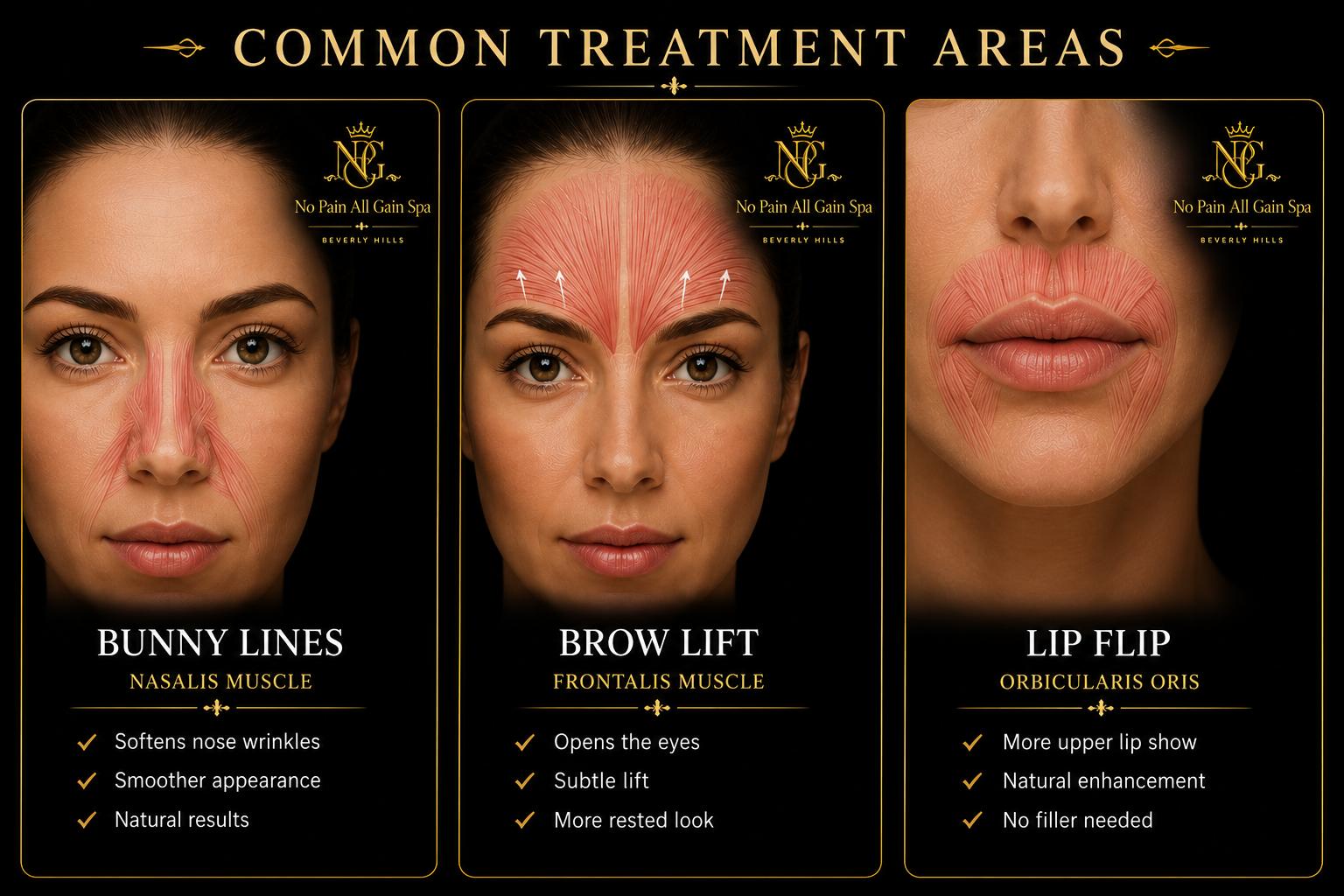
Tap the picture to view it larger.
Bunny lines
We look at the lines that appear along your nose when you scrunch it.
Brow balance
We assess the balance of muscles that lift and lower your eyebrows before discussing treatment.
Lip flip
We assess upper-lip movement and whether a lip flip fits your goals. It does not add volume like filler.
A lip flip and lip filler are different treatments. The right choice depends on whether your concern is movement, volume, shape, or a combination.
JAW, NECK & UNDERARM SWEATING
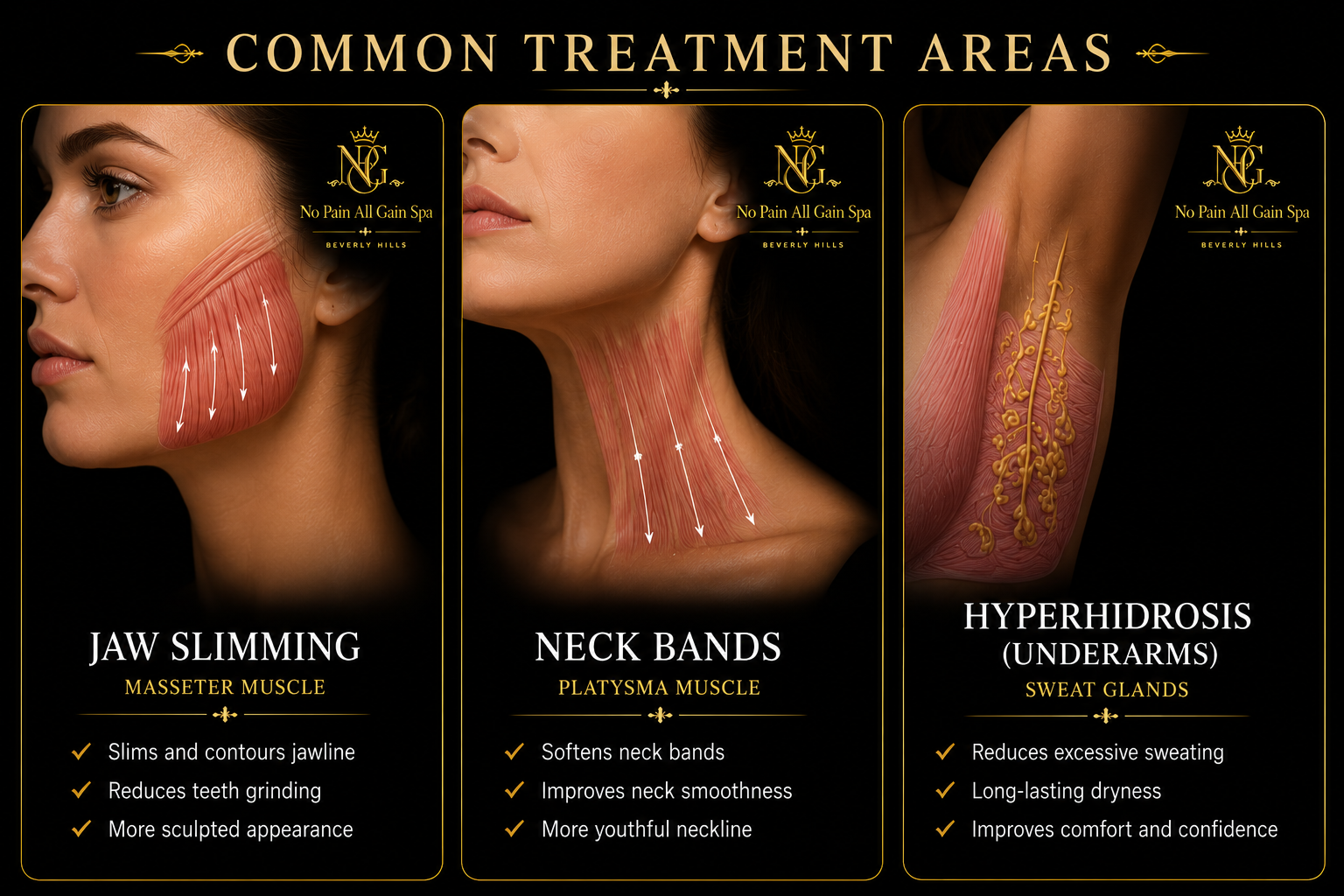
Tap the picture to view it larger.
Jaw muscles
We assess masseter muscle size and activity. Jaw width has several causes, and clenching or jaw pain may also need dental or medical evaluation.
Neck bands
The platysma is a thin muscle extending across the neck and into the lower face. Its contraction can make vertical bands more visible.
Underarm sweating
Botox may be considered for severe primary underarm sweating in adults when topical medicines are not effective enough, following medical assessment.
For underarm sweating, Botox acts on nerve signals to sweat glands. This is different from treating expression lines in facial muscles.
Treatment suitability and results vary. Approved uses differ by product; several areas shown involve off-label use. Your consultation includes the proposed product and use, risks, alternatives, and expected results. These illustrations explain treatment areas and do not predict your results.
BEFORE & AFTER
Swipe through the photos. Tap a picture to view it larger.
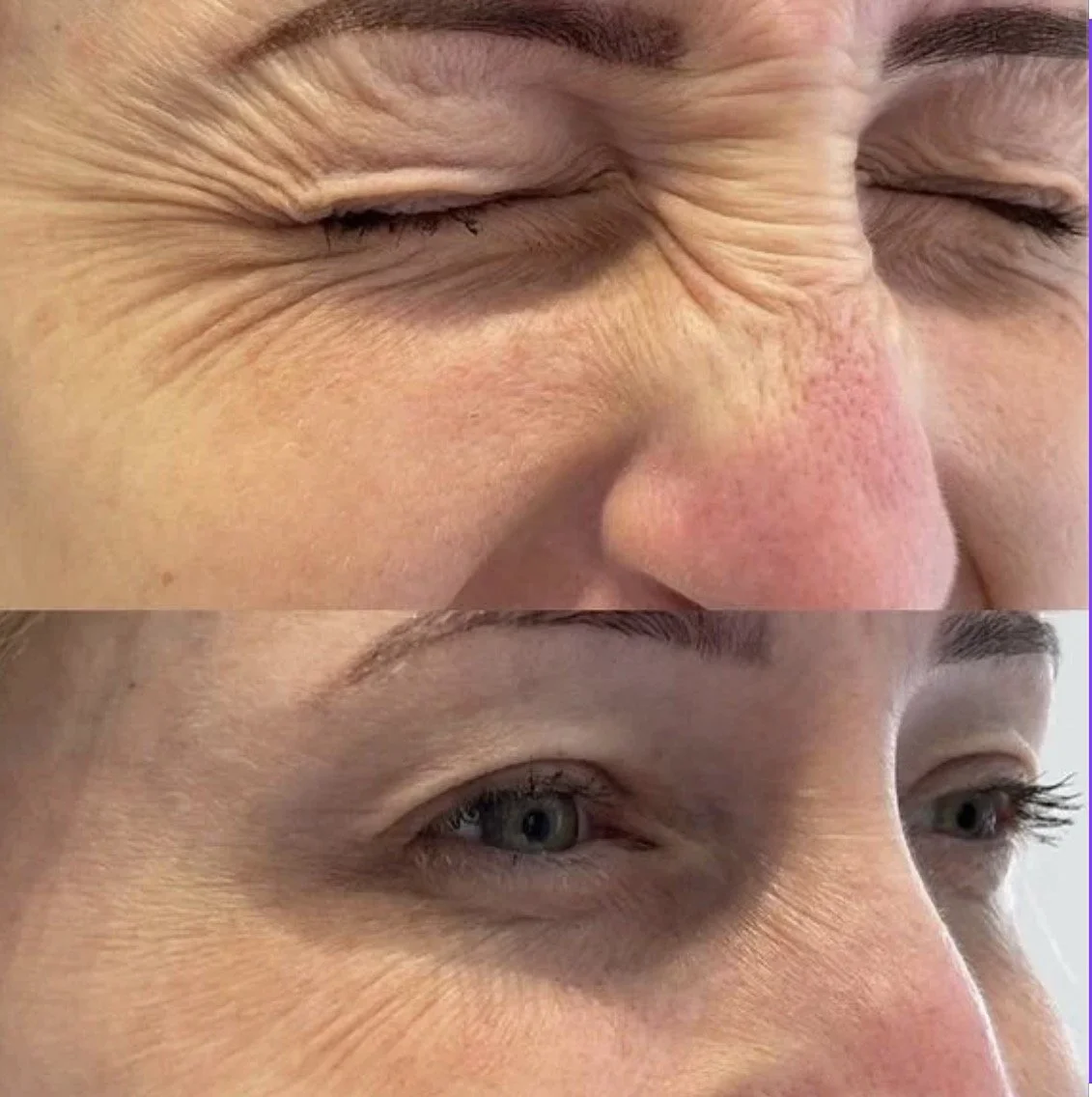
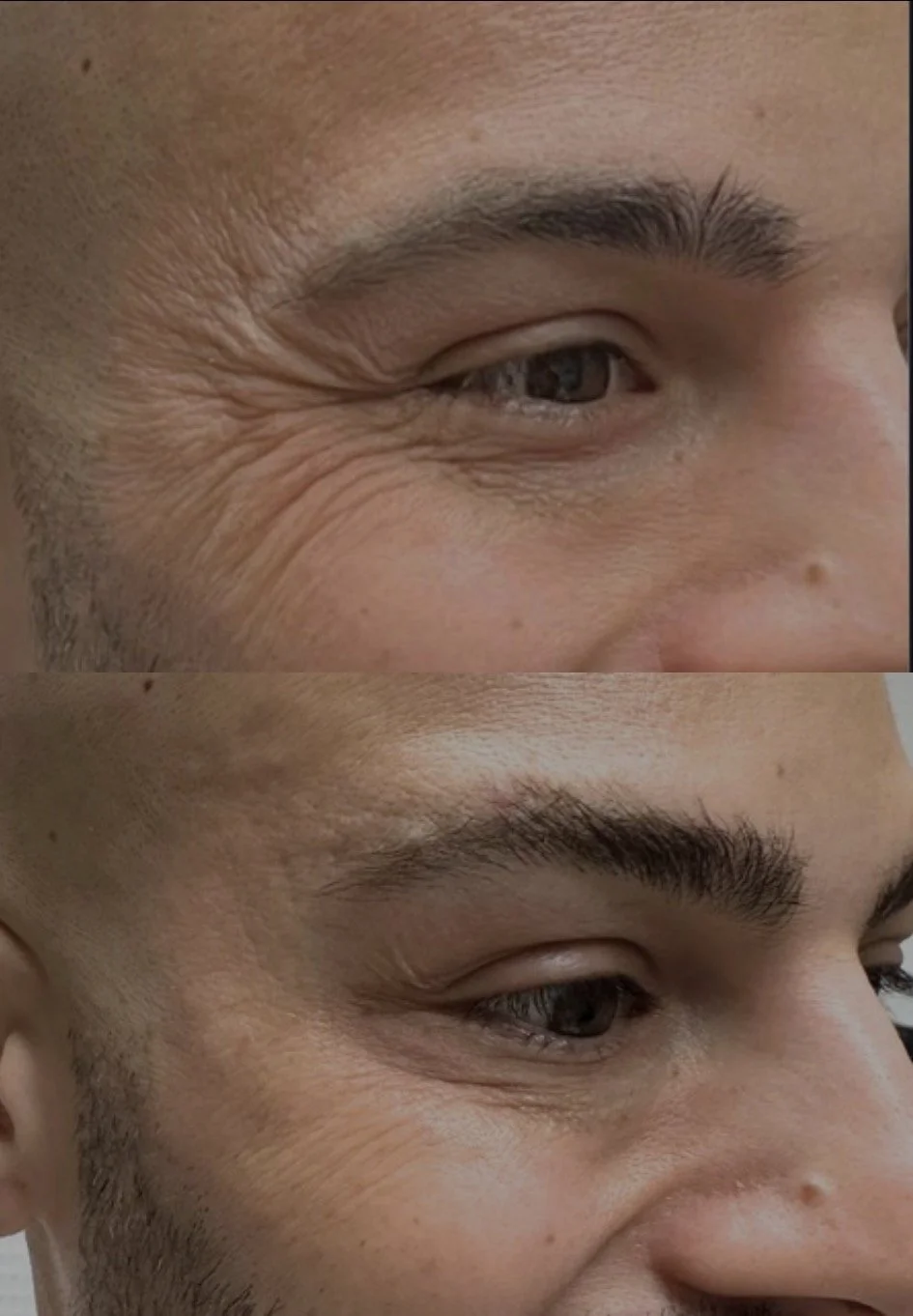
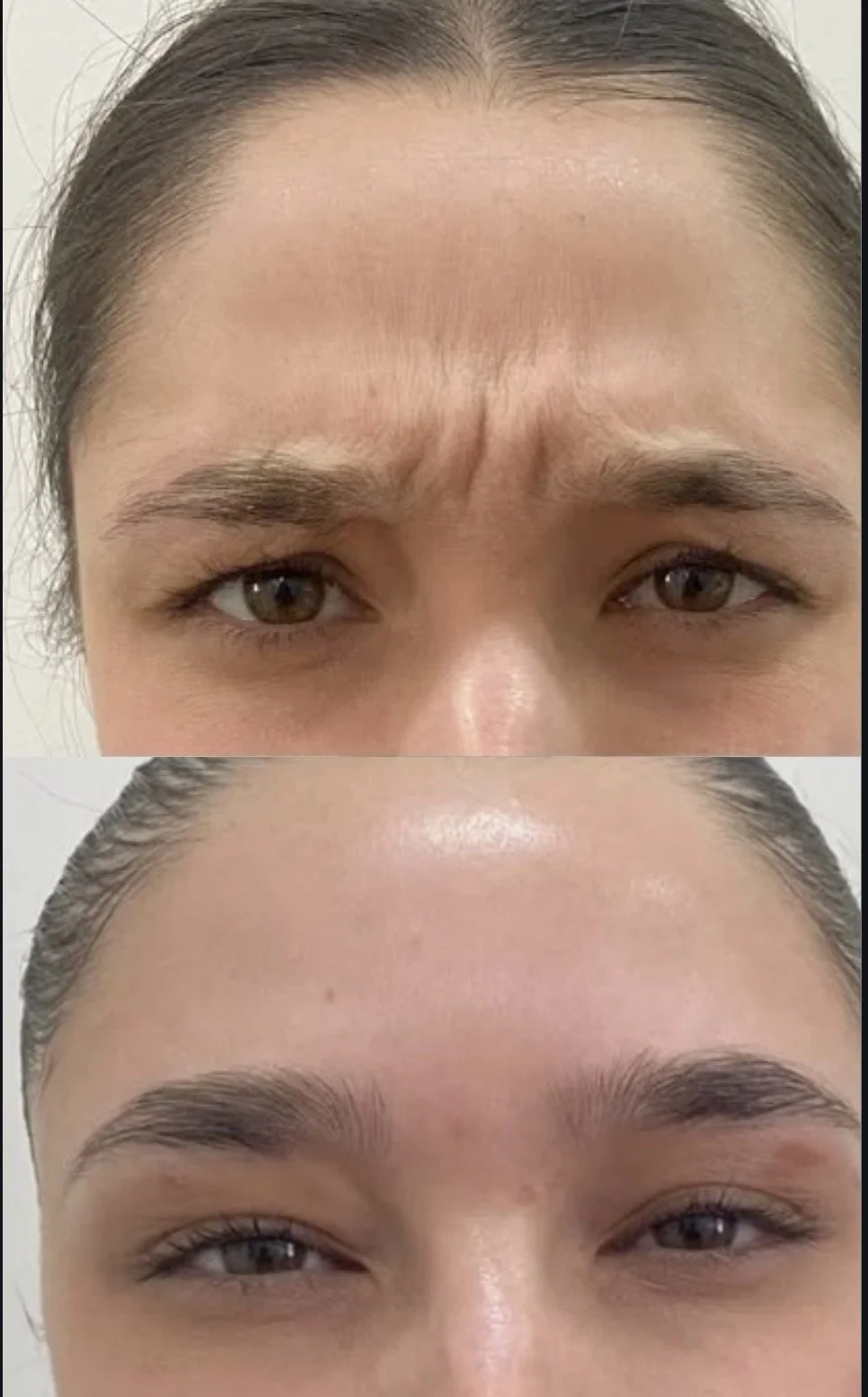
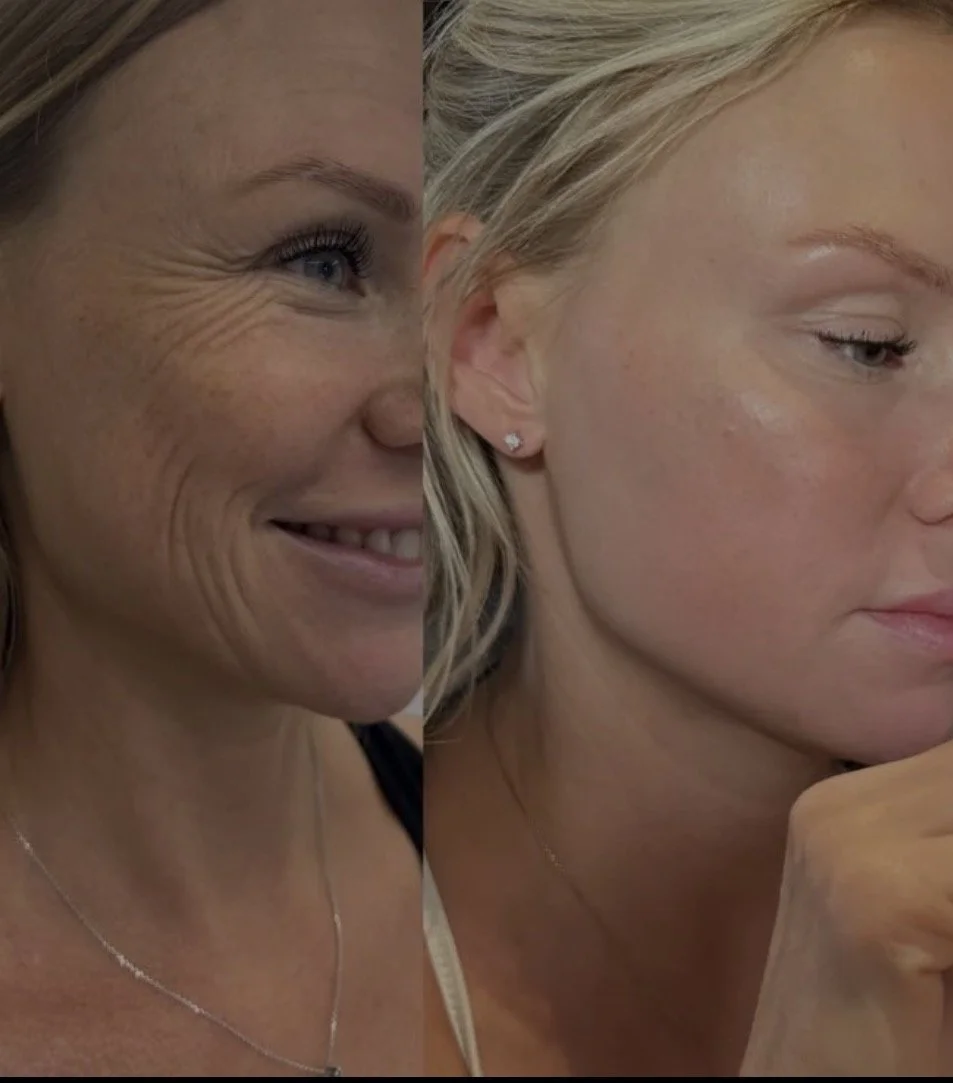
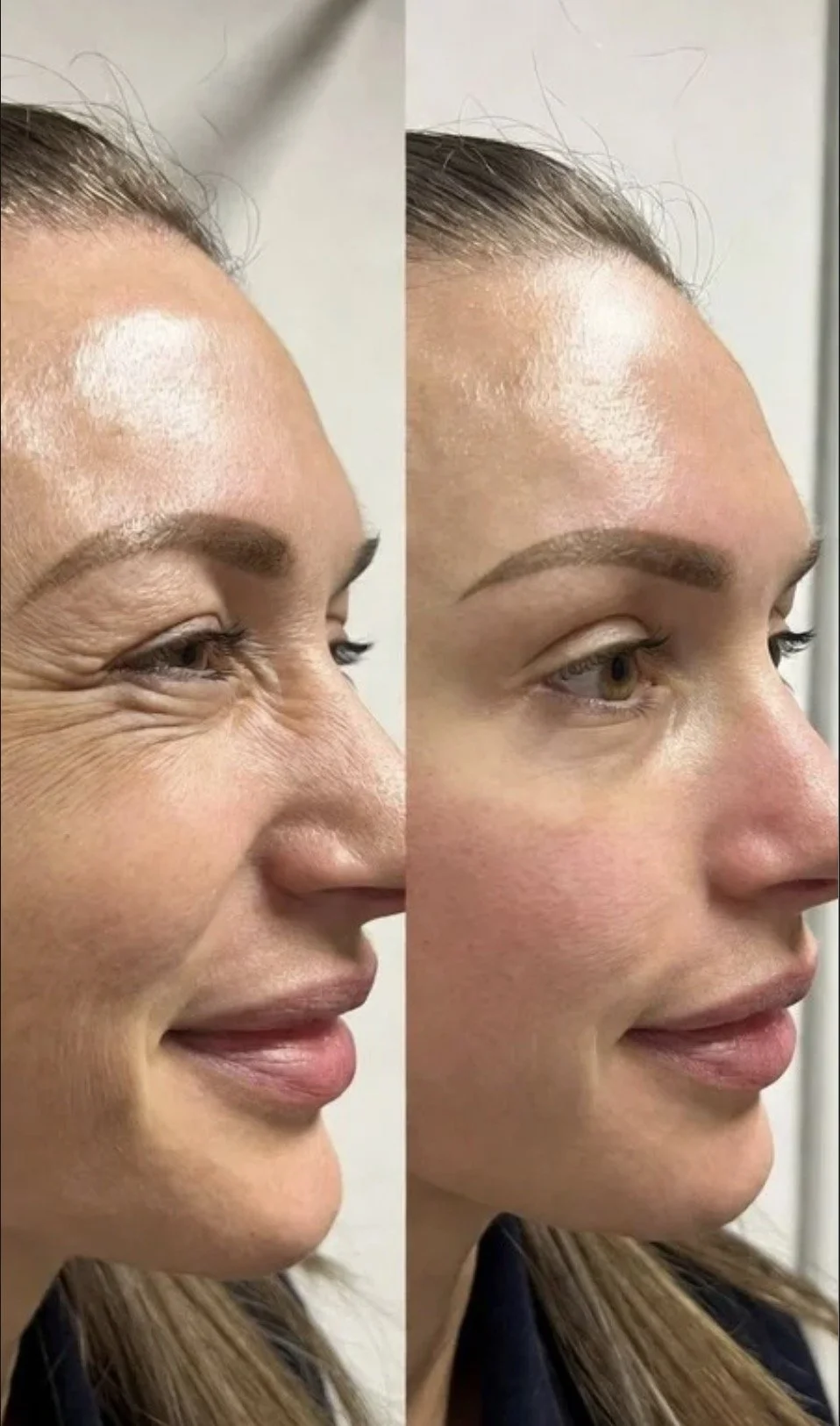
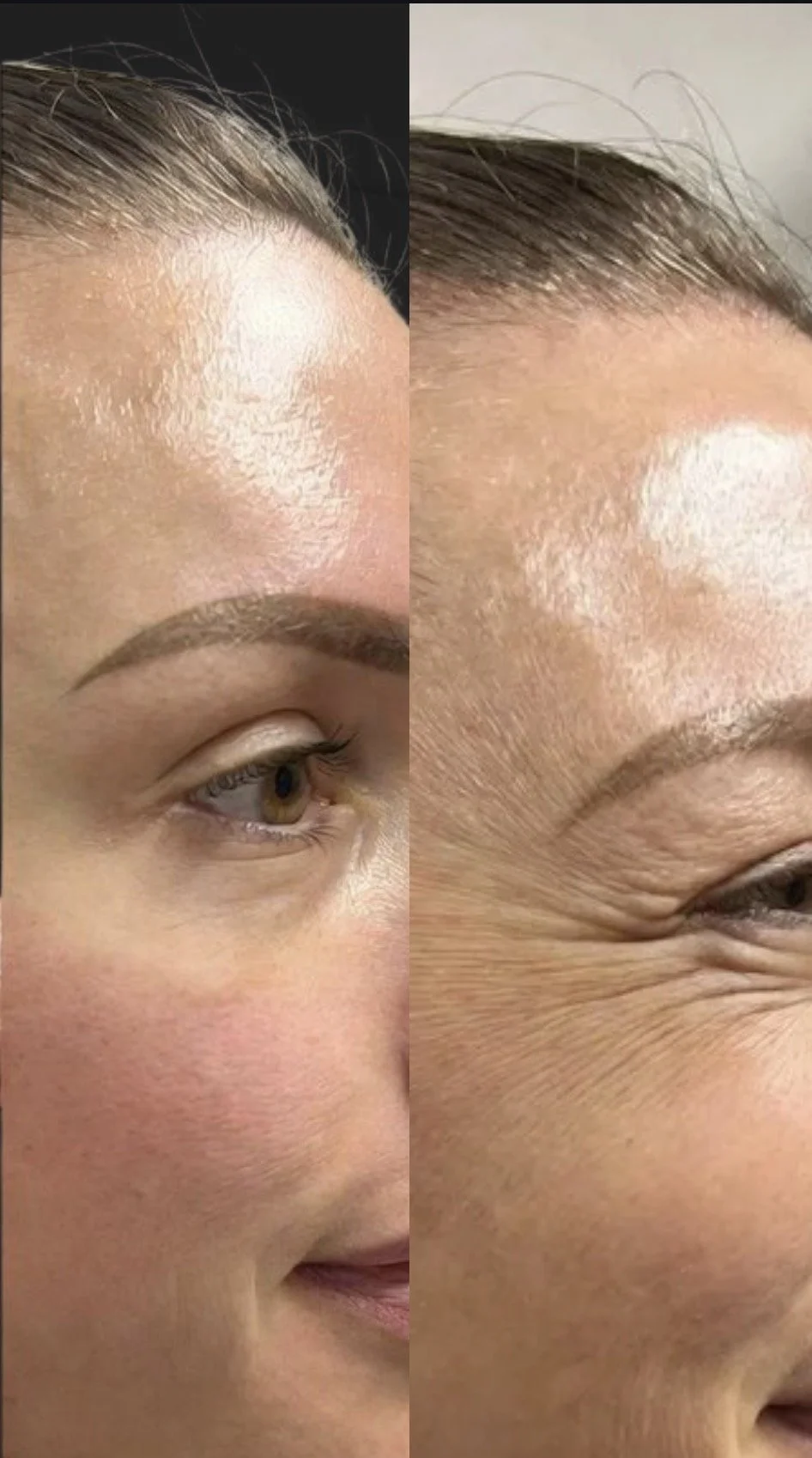
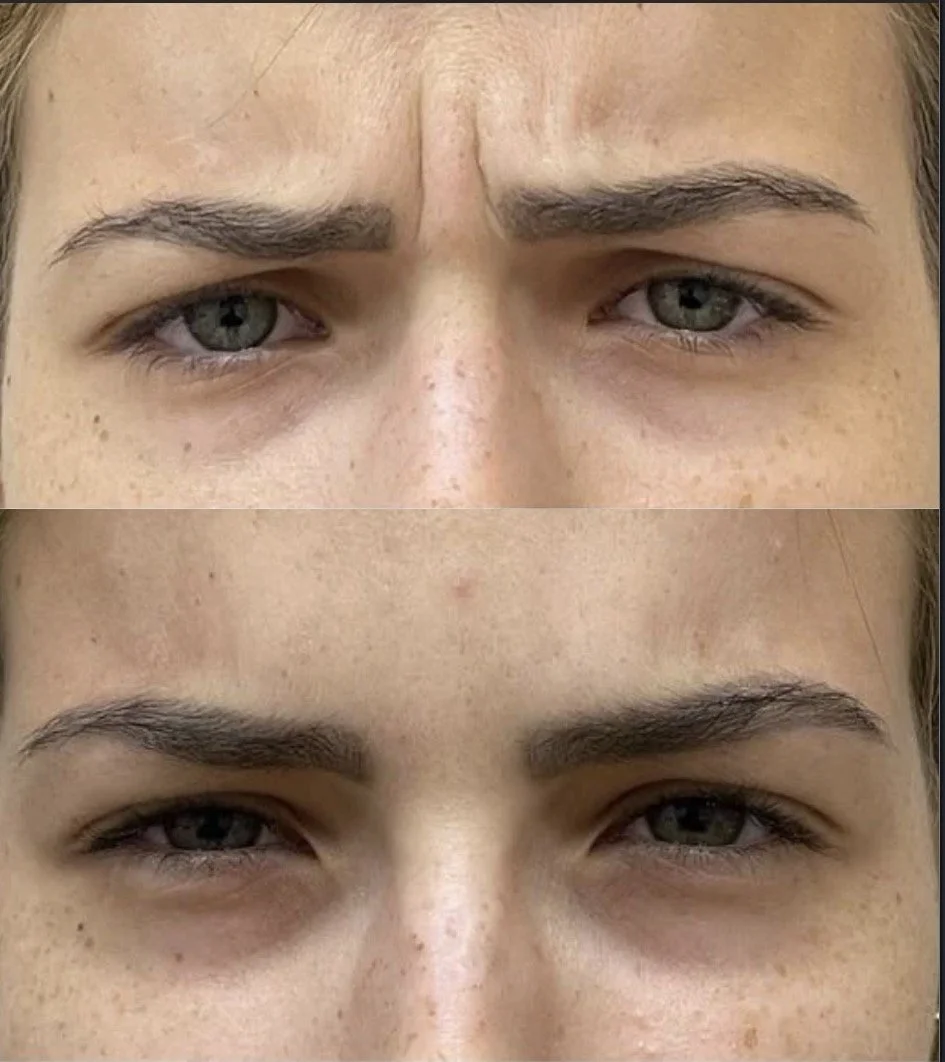
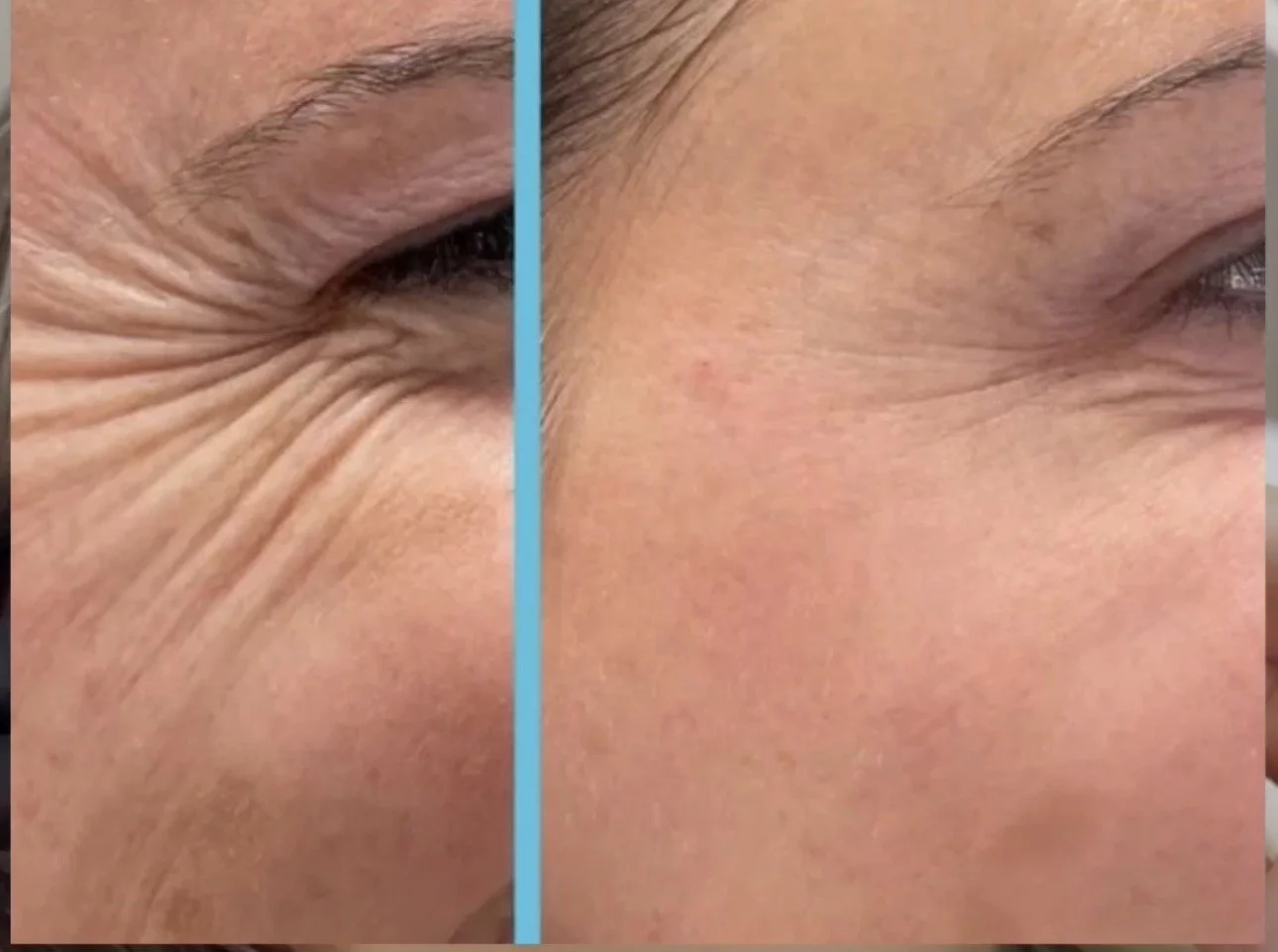
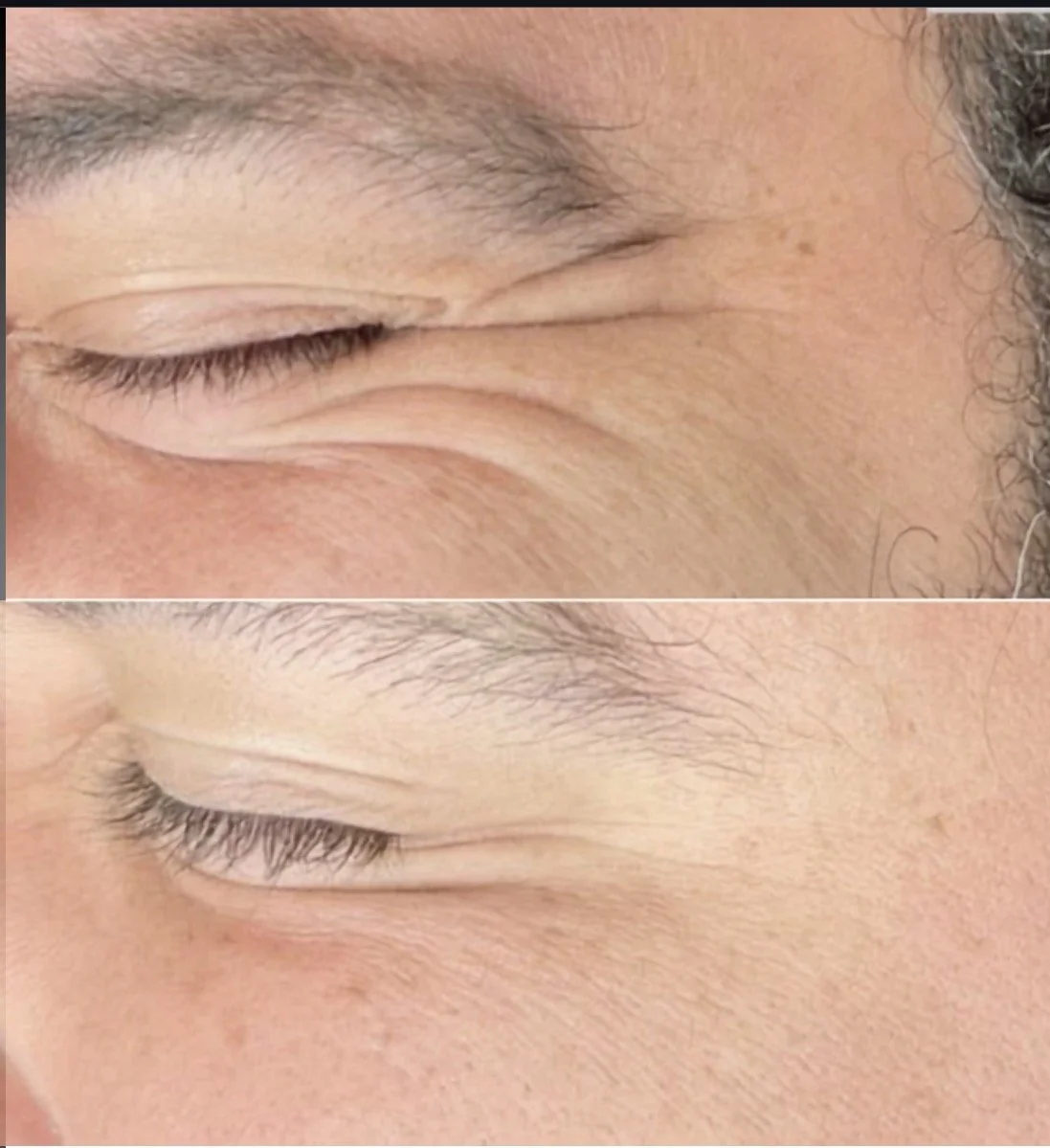
Individual results vary. Photos do not guarantee a particular outcome.
By Appointment Only
15-MINUTE VIRTUAL CONSULTATION
Complimentary
Speak with Nurse Jordan from wherever you are.
IN-PERSON CONSULTATION
$250
Applied toward your treatment.


